Decisions, not status meetings.
What this is.
A designed operating cadence for product and engineering teams. Decision logs, weekly rhythms, async-first artifacts, calendar discipline.
The work replaces ad-hoc meeting drift with a structure the team can defend on the day a senior leaves. It applies to any team shipping software. AI-assisted teams are one common case — not the only one.
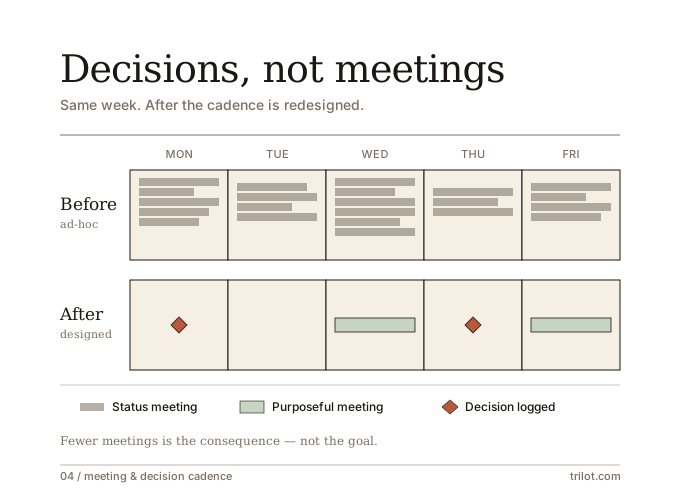
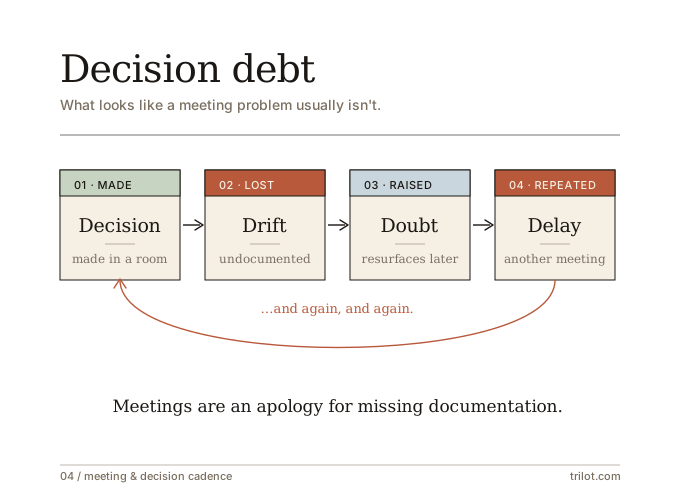
Most teams don't have a meeting problem. They have a decision-debt problem that manifests as meetings — recurring touchpoints that exist because no one wrote down what was decided the first time, so the conversation has to happen again. Fixing the cadence means fixing the decision discipline first. Fewer meetings is the consequence, not the goal.
How it runs.
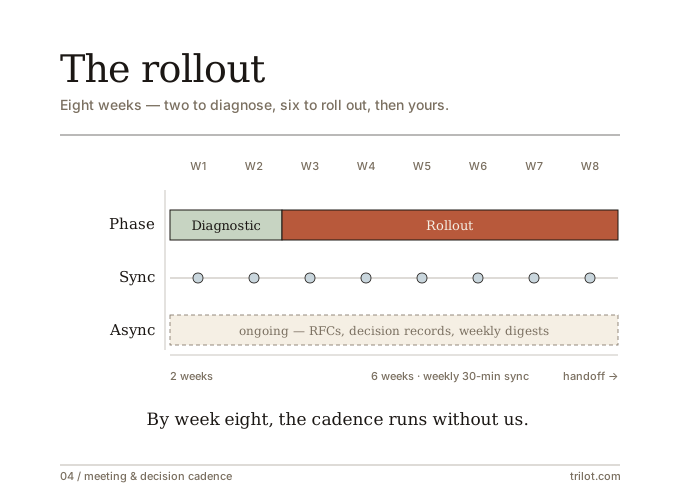
Two-week diagnostic of the current cadence. What the calendar actually looks like. Where decisions are made, where they re-litigate, where they disappear. Then a designed replacement, sized to the team.
Six-week rollout with weekly check-ins. Documentation handed off so the cadence runs without ongoing involvement after the engagement ends.
What you get.
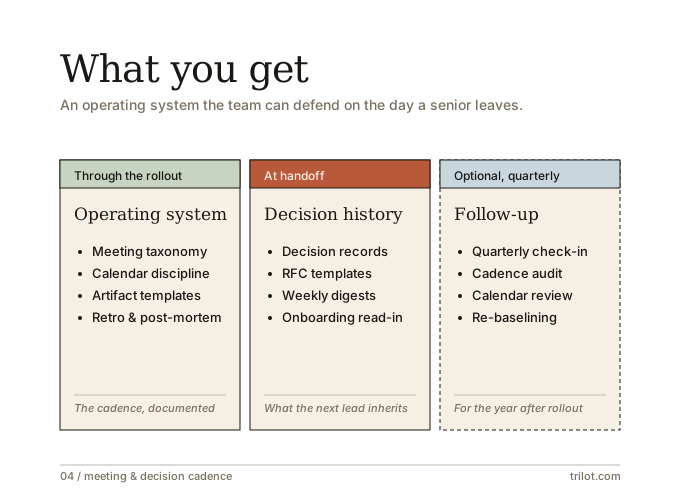
A documented operating system for the team. Fewer meetings on the calendar. Faster decisions, with the path each one took written down. Decision history that survives a personnel change — the next product lead can pick up where the last one left off.
Scope.
In scope: calendar audit, decision-log design, async-artifact templates (RFCs, decision records, weekly digests), meeting taxonomy (which meeting types exist, who attends, how decisions land), retro and post-mortem rhythm design, hand-off and onboarding documentation.
Out of scope: generic productivity coaching, individual time-management, project-management tool selection (a Service 03 audit handles that better), engagements with teams smaller than five or larger than fifty (smaller doesn't need this; larger needs a different shape).
Engagement.
Eight weeks total: two-week diagnostic plus six-week rollout. Weekly 30-minute check-ins throughout. Async work between sessions.
Fixed-fee, scoped per team size. Optional quarterly follow-up retainer for the year after rollout, billed quarterly.